




15+ SEO Interview Questions

June 16, 2026
Last updated: June 2026
SEO interviews are unpredictable for candidates. Because SEO trends change so frequently, preparing for an interview can feel challenging – you never quite know what the hiring manager will ask. But one thing is clear: foundational knowledge and core skills always matter, and those are exactly what a hiring team will probe.
Beyond the technical questions, interviewers also want to understand what drew you to this field and how your skills will benefit their company. So before you walk into your next interview, make sure you know the SEO interview questions you are most likely to face – and, just as importantly, how to answer them well.
SEO Interview Questions and the Hidden Reasons Behind Them
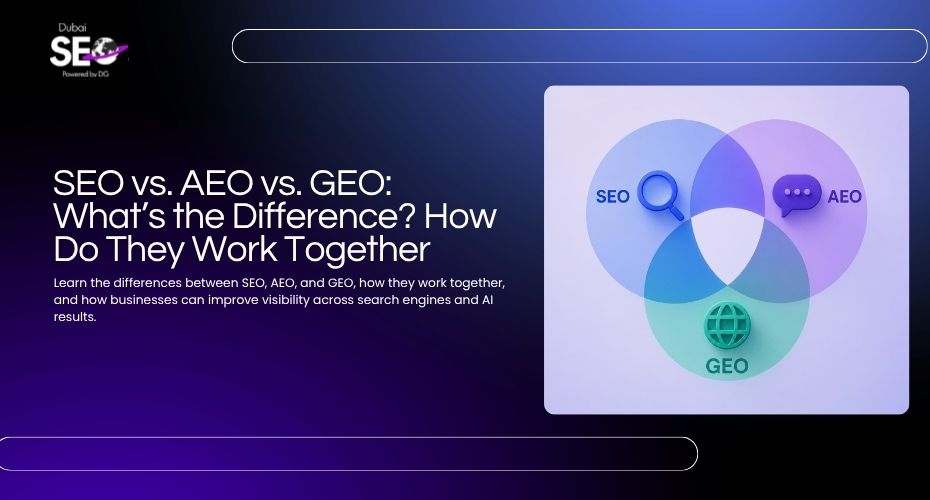
SEO is evolving faster than ever in 2026, which is why interviews are no longer limited to basic definitions. With AI Overviews, AI Mode, and answer engines like Perplexity and ChatGPT Search reshaping how people find information, interviewers now test practical knowledge, technical understanding, and strategic thinking – including how you adapt to Generative Engine Optimization (GEO) and Answer Engine Optimization (AEO), not just classic SEO.
SEO Interview Questions for Entry-Level and Junior Roles
These are some of the most common questions asked of candidates just starting their SEO journey.
Why are you pursuing a career in SEO?
This is usually one of the first questions a hiring manager will ask. They want to understand your motivation and what genuinely interests you about SEO as a career. Answer confidently by briefly describing what led you here, and make your answer specific to you rather than generic. Tip: Tie your interest to a real moment – a page you helped rank, a course that hooked you, or a result you saw firsthand.
What makes you a suitable candidate for this position?
This is your chance to pitch your strengths. Mention role-specific hard and soft skills. Hard skills span keyword research, on-page optimization, and technical SEO; soft skills include communication, analytical thinking, and the ability to explain SEO clearly to non-technical stakeholders. Tip: Match two or three of your strengths directly to the job description rather than listing everything.
Can you describe these terms: organic search results, AI citations, and backlinks?
Interviewers ask this to test how well you understand core SEO concepts. You don’t need to recite textbook definitions – explain each term with a quick real-world example. Organic results are the unpaid listings ranked on relevance and quality; AI citations are the sources an AI Overview or answer engine references and links to; backlinks are links from other sites that signal trust and authority. This shows you can teach a concept, not just memorise it.
How do you identify a keyword’s search intent?
This question tests whether you can figure out what a user actually wants when they type a query. Walk through the four common intent types with examples: informational (“how to do keyword research”), navigational (“Ahrefs login”), commercial (“best SEO tools”), and transactional (“buy SEO course”). Note that you also check the current search results, because the pages already ranking reveal the intent Google has decided to reward.
How do you fix duplicate content issues on a website?
SEO is an applied discipline, so recruiters use this to see whether you can turn theory into a fix. Cover the practical options: canonical tags to point to the preferred version, 301 redirects to consolidate duplicate URLs, fixing parameter and pagination issues, and setting a self-referencing canonical on the primary page. Mention that you’d confirm the issue in Google Search Console first.
When was the latest Google algorithm update?
Google releases roughly 8 to 12 named ranking updates a year, so this question checks whether you stay informed. As of mid-2026, the most recent core update is the May 2026 core update, which began rolling out on 21 May 2026, following the March 2026 core update and a separate March 2026 spam update. Tip: Don’t just name an update – briefly say what it emphasised (the 2026 core updates have rewarded original, people-first content with genuine “information gain” over pages that simply summarise existing results).
Advanced SEO Interview Questions
If you are applying for an SEO analyst or specialist role, prepare for these more advanced questions.
What training and experience do you have as an SEO analyst or specialist?
Only you can answer this, but frame it to highlight your hands-on experience and the courses or certifications you’ve completed. Lead with results and real projects, then back them with the relevant training, so the recruiter sees both proven ability and current knowledge.
What kind of analytics do you perform, and what do you look for?
Expect to talk about the tools you use (such as Google Analytics 4, Google Search Console, and a rank-tracking or backlink tool) and the metrics you prioritise. Be specific: explain which signals you watch – impressions, clicks, click-through rate, conversions, and engagement – and, crucially, how you turn those numbers into decisions and changes.
How have you dealt with ranking drops or link issues?
Be precise here, because the terminology matters. Most ranking drops come from algorithmic re-evaluation during core updates, where Google compares your pages against stronger competitors – these are not penalties. A true penalty is a manual action, which Google reports directly in Search Console. Explain how you’d diagnose the cause: check Search Console for manual actions first, review whether a drop aligns with a known update, audit the link profile for low-quality or spammy links, and fix or disavow them as needed. Showing that you know the difference between an algorithmic shift and a manual action signals real maturity.
How would you define a link audit, accelerated mobile pages, and rich snippets?
These terms come up in advanced roles. Answer logically and lean on examples rather than textbook definitions. A link audit is a review of your backlink profile to find toxic or unnatural links and opportunities. Accelerated Mobile Pages (AMP) is a framework for building fast-loading mobile pages. Rich snippets are enhanced search results – star ratings, FAQs, recipes – generated from structured data (schema markup).
How do you stay up to date with constant search algorithm changes?
Answer based on the sources you genuinely rely on for SEO and Google news. Name specific blogs, newsletters, official channels (such as Google Search Central), and communities, and mention how you test changes rather than just reading about them.
SEO Interview Questions for Executives and Managers
If you are interviewing for an SEO executive or manager role, expect the questions above plus questions about your management and strategy experience.
What are some common SEO mistakes you have seen in other organisations?
If you have past experience leading SEO, this is an easy one. Talk about recurring mistakes – targeting the wrong keywords, ignoring search intent, neglecting technical health, publishing thin content that adds no unique value, and failing to adapt when algorithms change. Frame each mistake with how you’d avoid or fix it.
How do you see SEO and PPC working together to improve results?
Answer from experience. A strong point: PPC can drive traffic and validate keywords while SEO pages are still climbing the rankings, and PPC search-term data can inform your organic content strategy. Showing how the two channels feed each other demonstrates strategic thinking.
What is your approach to developing an SEO strategy?
Base this on your own experience, but a solid framework includes defining short- and long-term goals, understanding the competitive landscape, researching the audience and their search intent, prioritising by impact and effort, and building in measurement from the start.
How do you evaluate web analytics to measure SEO performance?
Explain how you use analytics to review direct, organic, and referral traffic, sessions, conversions, time on page, and engagement. Then describe how you interpret that data to judge whether your SEO strategy is actually working and what you’d adjust next. Specifics matter more than naming tools.
How do you stay current with Google’s changes and the wider industry?
Talk about the blogs, newsletters, and well-known SEO publications you follow, plus how you keep pace with shifts beyond classic SEO – AI Overviews, GEO, and AEO – since search visibility in 2026 increasingly depends on appearing in AI-generated answers, not just the ten blue links.
Conclusion
SEO interviews can be stressful, but the right preparation makes a real difference. When you understand the common questions – and the reasons behind them – you can answer with more confidence and clarity. Focus on your skills, your hands-on experience, and how you keep your knowledge current as SEO continues to change.
FAQs
What should I study before an SEO interview?
Review the fundamentals: keyword research, on-page SEO, technical SEO, and Google Analytics. It also helps to know the latest Google updates, the common SEO tools, and how AI-driven search (AI Overviews, GEO, and AEO) is changing the field.
Do I need experience to answer SEO interview questions well?
Not always. Even as a beginner, you can do well by showing clear thinking, solid fundamentals, and a genuine willingness to learn.
Which SEO tools are commonly asked about in interviews?
Interviewers often ask about Google Search Console, Google Analytics, Ahrefs, Semrush, and Screaming Frog. Know what each one does and when you’d use it.
How can I answer SEO questions more confidently?
Keep your answers simple and practical. Use real examples where you can, and explain ideas in your own words rather than reciting memorised lines.
What do employers look for in an SEO candidate?
Employers want strong SEO knowledge, problem-solving and communication skills, and the ability to keep up with change – someone who can ultimately deliver results.